
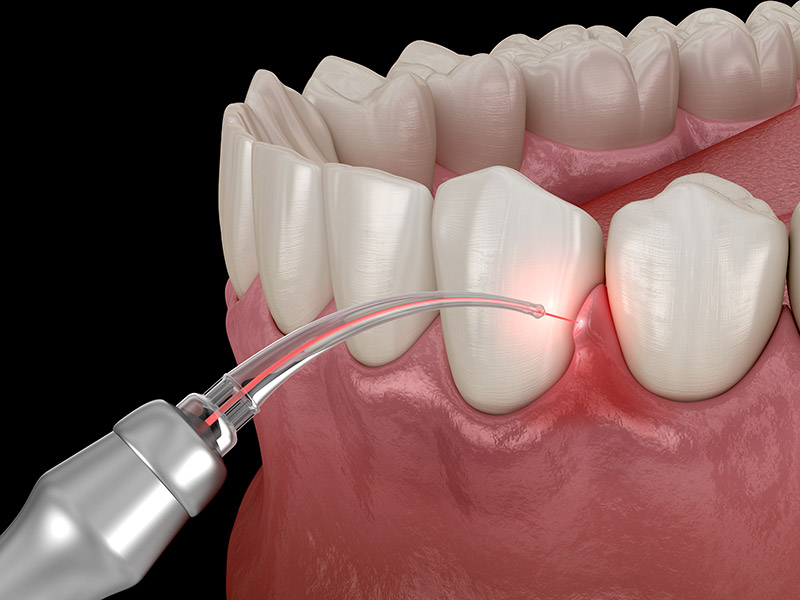
Dental technology continues to make appointments more comfortable, precise, and efficient. One example is laser dentistry, which allows dentists to perform certain treatments using focused light energy instead of relying entirely on traditional instruments.
At Family Dental Center in Nampa, ID, Dr. Scott Gardner and his team use the Solea® All-Tissue Dental Laser to treat both hard and soft tissues in the mouth. This advanced technology can be used for procedures ranging from preparing cavities for fillings to gentle gum treatments and frenectomies. For many patients, one of its biggest advantages is the potential to reduce discomfort and the need for local anesthesia.
Here's a closer look at how laser dentistry works, what it can treat, and why patients of different ages may appreciate this approach to dental care.
What Is Laser Dentistry?
Laser dentistry uses concentrated light energy to remove, reshape, or treat specific areas of oral tissue. Different dental lasers are designed for different purposes. Some work primarily on soft tissues, such as the gums, while others can be used on hard tissues, including tooth structure.
Family Dental Center uses the Solea All-Tissue Laser, a computer-guided system designed to work on both hard and soft tissues. This gives the dental team flexibility to use laser technology for several types of procedures.
Because the laser is precise, it can target the area being treated while limiting unnecessary contact with surrounding tissues. It also operates without the familiar sound and vibration of a traditional dental drill, which can make appointments feel less intimidating for patients who dislike those sensations.
What Can the Solea Dental Laser Treat?
Laser dentistry isn't limited to one type of procedure. At Family Dental Center, Solea technology can support several treatments.
Preparing Cavities for Fillings
When tooth decay develops, your dentist needs to remove the affected portion of the tooth before placing a filling. Traditionally, this involves using a dental drill to prepare the area.
The Solea laser can remove decayed tooth structure with precision, often without the sound and vibration associated with conventional drilling. For some patients, this approach also reduces the need for local anesthetic injections.
The goal is still the same: remove decay, preserve as much healthy tooth structure as possible, and restore the tooth with a durable filling. Your dentist will determine whether laser treatment is appropriate based on the location and extent of the cavity.
Gentle Gum Therapy and Gum Contouring
The Solea laser can also treat soft tissue, making it useful for certain gum procedures.
For example, laser gum contouring can reshape uneven gum tissue to create a more balanced appearance around the teeth. This may be an option for patients who feel their gums cover too much of their teeth or have an uneven gumline.
Laser technology can also be used for select soft-tissue treatments. Its precision and ability to control treatment areas may help reduce bleeding and support a more comfortable recovery compared with some traditional techniques.
Laser Frenectomies
A frenectomy is a procedure that releases or removes a small fold of tissue called a frenum. These tissue attachments connect the lips or tongue to the surrounding oral structures.
In some children and infants, a tight or restrictive frenum can contribute to feeding difficulties, limited tongue movement, or other functional concerns. A dentist may recommend an evaluation if a parent notices symptoms associated with a possible lip tie or tongue tie.
At Family Dental Center, the Solea laser can be used to perform laser frenectomies. The laser allows for precise treatment of the tissue, often with minimal bleeding and little downtime. The dental team can explain what to expect based on your child's age, symptoms, and individual needs.
Does Laser Dentistry Mean You Won't Need Numbing?
One of the most appealing benefits of Solea laser dentistry is that many procedures can be performed with little or no local anesthesia. That means some patients may be able to avoid the numbing injection that can make dental appointments stressful.
However, this depends on the procedure, the tooth or tissue being treated, and the patient's individual sensitivity. Some treatments may still require local anesthesia to keep you comfortable.
Your dentist will evaluate the treatment area and explain whether the laser may allow you to have the procedure without traditional numbing. The goal is not simply to avoid anesthesia, but to make sure you receive effective treatment as comfortably as possible.
Why Patients With Dental Anxiety May Appreciate Laser Dentistry
For patients who feel nervous about dental visits, certain sounds and sensations can make treatment especially uncomfortable. The noise and vibration of a traditional drill, the feeling of an injection, or concerns about discomfort afterward may cause some people to delay care.
Laser dentistry can help address some of these concerns. The Solea system is designed to operate quietly and precisely, and many procedures require less anesthesia than traditional techniques.
That can make appointments feel more approachable, particularly for patients who have avoided treatment because of dental anxiety. It may also help patients who have a sensitive gag reflex or difficulty tolerating certain dental instruments, depending on the procedure.
If dental anxiety has kept you from scheduling an appointment, let the team know. Understanding your concerns helps your dentist recommend the most appropriate comfort options.
Is Laser Dentistry a Good Option for Kids?
Children can benefit from laser dentistry, too. A quieter treatment experience and the possibility of avoiding numbing injections can make certain procedures less intimidating for young patients.
For example, the Solea laser may be used to prepare a cavity for a filling or perform a frenectomy when clinically appropriate. These treatments can be especially helpful when a child is nervous about the sound of a dental drill or the sensation of traditional instruments.
Family Dental Center provides care for infants, children, and adults, so parents can discuss their child's needs with a team experienced in family dentistry. The dentist will determine whether laser treatment is suitable and explain the procedure in an age-appropriate way.
What Is Recovery Like After Laser Dental Treatment?
Recovery depends on the type and extent of treatment. Many laser procedures are associated with less bleeding and post-treatment discomfort than some traditional techniques, but healing experiences vary.
After treatment, your dentist will provide instructions specific to your procedure. You may be asked to avoid certain foods temporarily, keep the area clean, or follow other care recommendations while the tissue heals.
If your child has a laser frenectomy, the team will explain how to care for the area and whether any follow-up exercises or appointments are recommended.
Experience Modern, Comfortable Dentistry at Family Dental Center
Laser dentistry offers another way to make dental care more comfortable while supporting precise treatment. Whether you need a filling, gum contouring, or an evaluation for a lip or tongue tie, the Solea All-Tissue Laser may provide benefits worth discussing with your dentist.
At Family Dental Center, Dr. Scott Gardner and his team combine advanced technology with personalized care for patients of all ages. If you're curious about laser dentistry or want to know whether a procedure can be completed with little or no numbing, the team can help you understand your options.
Contact Family Dental Center to schedule an appointment at our Nampa, ID, office and learn more about how Solea laser dentistry could benefit your smile.
